Fader Google Slide Template: 150+ Slides for Polished Presentations
We've all been there: staring at a blank presentation slide, cursor blinking, feeling the pressure to create something that looks both professional and visually engaging. Whether you're pitching a new client, presenting quarterly results, or teaching a workshop, the visual foundation of your slides matters more than most people realize. A cluttered, inconsistent, or amateurish deck can undermine even the strongest content. That's where a thoughtfully designed template system like the Fader Google Slide Template steps in—not as a magic fix, but as a reliable starting point that saves hours of design work while keeping your visuals sharp.
A Visual System Built for Real-World Projects
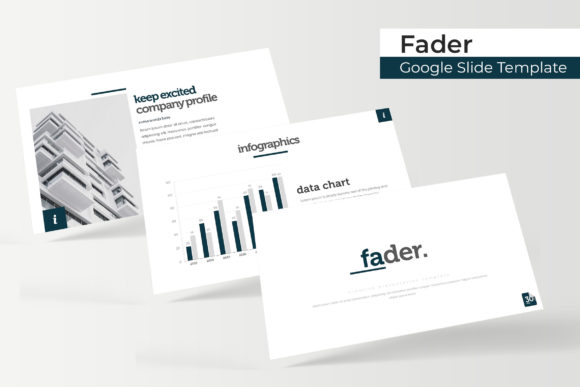
What makes the Fader template stand out isn't just the quantity of slides—though 150+ total slides is certainly generous. It's the way those slides are organized into a cohesive system. You get five premade color variations, each containing 30 meticulously crafted slides. That means you're not just getting a single look; you're getting five distinct visual moods to match different brands, audiences, or project types. A deep navy palette might suit a corporate financial report, while a warm terracotta scheme could work beautifully for a lifestyle brand pitch. The flexibility here is genuinely practical.
The handcrafted infographics deserve special attention. Rather than generic chart templates that feel like afterthoughts, these infographics are designed with intention. Data visualization in presentations often falls into two extremes: overly simplistic or unnecessarily complex. The Fader infographics strike a middle ground—they're detailed enough to communicate real information but clean enough that your audience actually absorbs what's on screen. For anyone presenting market research, project timelines, or process workflows, this alone can transform how your data lands.
Why Five Color Variations Change Everything
Most presentation templates give you one color scheme and call it done. The Fader Google Slide Template takes a different approach by offering five complete color palettes, each applied across 30 slides. This matters more than you might think. If you're a freelancer juggling multiple clients, you can assign different color variations to different brands without rebuilding your entire deck from scratch. If you're a small business owner, you might use one palette for internal meetings and another for external-facing presentations. The point is choice—and the kind of choice that actually saves time rather than creating decision fatigue.
Each color variation maintains visual consistency throughout its 30 slides. Headers, body text, accent elements, and background treatments all work together harmoniously. This kind of internal consistency is something professional designers spend significant time achieving manually. Having it built into the template means you can focus your energy on content rather than constantly second-guessing whether your accent color clashes with your background.
Practical Features That Speed Up Your Workflow
One of the most frustrating aspects of working with presentation templates is rigid layouts that don't accommodate real content. The Fader template addresses this with resizable and editable graphics plus picture placeholders that support drag-and-drop functionality. Need to swap in your own product photos? Drag them into the placeholder. Want to resize an infographic element to better fit your data? The graphics scale without losing quality. Built on master slides, every element is designed to move and adapt as your content demands.
The pixel-perfect illustrations included in the template add another layer of visual polish. These aren't clip-art-quality graphics—they're detailed enough to look intentional in a professional context while remaining versatile enough to complement various content types. Whether you're illustrating a customer journey, mapping out a business model, or simply adding visual interest to a text-heavy slide, these illustrations integrate seamlessly with the overall design system.
Section break slides and gallery/portfolio slides round out the package. Section breaks give your presentation natural breathing room, helping audiences mentally transition between topics. The portfolio slides are particularly useful for creative professionals—designers, photographers, consultants—who need to showcase work samples within a presentation context. Instead of cobbling together a makeshift gallery layout, you have dedicated slides designed specifically for visual showcasing.
From Branding to Client Pitches: Where This Template Shines
The real test of any design asset is how it performs across different scenarios. The Fader Google Slide Template proves its versatility across a surprisingly wide range of applications. Brand identity presentations benefit from the consistent color system and clean typography. Marketing teams can use the infographic slides to present campaign performance data in a way that stakeholders actually understand. Educators and workshop leaders get a professional visual framework without needing design skills. Entrepreneurs preparing pitch decks gain a polished look that builds credibility before they even start speaking.
Social media content creators have found an unexpected use for presentation templates as well—exporting individual slides as graphics for Instagram carousels, LinkedIn posts, or Pinterest pins. The widescreen format and clean design translate well to these platforms, especially when you need to maintain visual consistency across multiple posts. The five color variations make it easy to create a cohesive series without every slide looking identical.
For those working in packaging design, editorial layouts, or even merchandise mockups, the template's clean structure can serve as a mood board or concept presentation tool. Showing clients how a brand identity translates across different applications becomes significantly easier when you have dedicated slide layouts for each context.
What's Actually in the Box
Let's talk specifics about what you're getting. The package includes five PPTX files in widescreen format—these work with both PowerPoint and Google Slides, giving you flexibility depending on your preferred platform. Five premade color themes are ready to use immediately. A Readme file walks you through setup, and the font used in the template is free to download, with the link included in the documentation. That last detail matters more than you'd expect—nothing derails a presentation faster than discovering a font isn't available on the computer you're presenting from.
One important note worth repeating: the photographs and pictures shown in template previews are for illustration purposes only and aren't included in the download. This is standard practice for design templates, but it's worth understanding upfront so you can prepare your own imagery. The drag-and-drop picture placeholders make inserting your own photos straightforward, so this isn't really a limitation—it's just something to plan for.
Making the Most of Your Investment
A template is only as effective as how you use it. Before diving in, take a few minutes to identify which color variation best matches your brand or project. If you're presenting to a specific client, consider which palette aligns with their visual identity. Don't default to the first color scheme simply because it's convenient—spending two minutes choosing the right one pays dividends in perceived professionalism.
Pay attention to the slide variety within each color set. Not every presentation needs all 30 slides, and forcing content into inappropriate layouts creates confusion rather than clarity. Use the section break slides strategically to give your narrative structure. Lean on the infographic slides when you have data to present, and don't be afraid to delete slides that don't serve your specific message.
Finally, remember that even the best template is a starting point. Customize text sizes if your content demands it. Adjust color accents if a specific slide needs emphasis. The master slide architecture makes these adjustments non-destructive, so experiment freely. The goal isn't to use the template exactly as designed—it's to use the template as a foundation for something that communicates your ideas effectively and looks genuinely professional while doing it.