Slender Google Slide Template: A Flexible Design Toolkit for Modern Presentations
Finding a presentation template that doesn't look like everyone else's can feel like searching for a needle in a haystack. You've probably scrolled through hundreds of options that either look too corporate, too playful, or just plain outdated. The Slender Google Slide Template takes a different approach—it offers a clean, contemporary aesthetic with enough built-in flexibility to actually work for real projects, not just look good in preview screenshots.
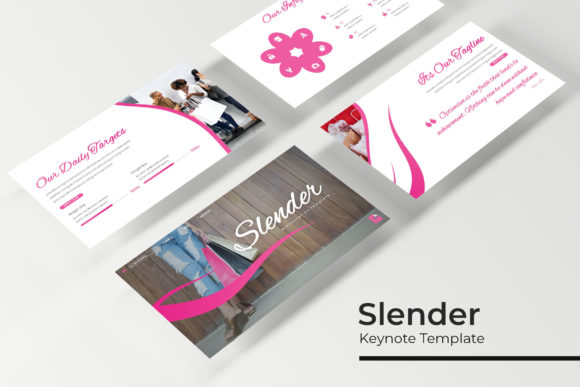
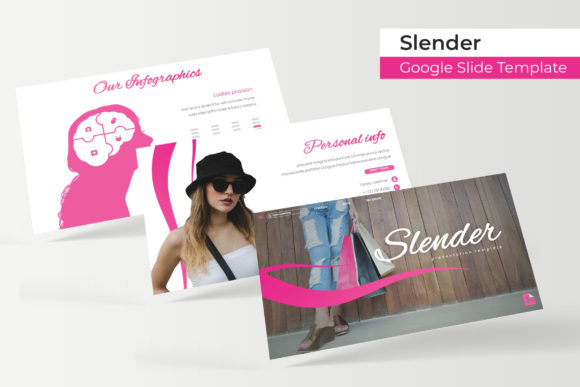
What sets this template apart starts with its sheer volume and variety. We're talking 150+ total slides spread across five premade color schemes, with 30 slides dedicated to each color variation. That's not just a nice number to put on a product listing—it means you're getting genuine depth. Instead of recycling the same five layouts in different colors, each variation feels thoughtfully designed. Whether you lean toward muted earth tones, bold contrasts, or something in between, there's a color palette here that likely matches your brand or project mood without requiring heavy customization from the start.
Built for People Who Actually Build Presentations
If you've ever wrestled with a template where moving one element throws everything else out of alignment, you'll appreciate the master slide architecture here. The Slender template is built on drag-and-drop functionality with picture placeholders that are genuinely resizable and editable. This means swapping out images, adjusting text blocks, and rearranging sections doesn't require advanced design skills or hours of troubleshooting. The pixel-perfect illustrations maintain their crispness whether you're presenting on a laptop screen or projecting onto a conference room wall—a detail that separates polished presentations from amateur ones.
The handcrafted infographics deserve particular attention. Rather than generic chart templates that feel disconnected from the rest of the design, these infographics share the same visual language as the slide layouts. Data visualization becomes part of the story instead of an interruption. For anyone presenting quarterly reports, project timelines, or process workflows, having infographics that actually integrate with your overall aesthetic saves significant design time and keeps your audience focused on the content rather than distracted by inconsistent styling.
Section break slides and gallery/portfolio layouts round out the toolkit in practical ways. Section breaks give your presentation natural breathing room—those moments where you transition between topics and need a visual pause. Portfolio slides work beautifully for creative professionals showcasing client work, case studies, or product photography. The layout options here acknowledge that presentations aren't just about bullet points and text walls; sometimes you need to let images and visual work speak for themselves.
Practical Applications Beyond the Boardroom
While the name suggests Google Slides, the included PPTX files expand where and how you can use this template significantly. The five PPTX widescreen files mean you can work in PowerPoint when that's what your team or client uses. This cross-platform compatibility matters more than people realize until they're stuck converting files at the last minute before a deadline.
Think about the range of projects where a versatile slide template becomes genuinely useful. Pitch decks for startups seeking investor funding. Workshop materials for educators and coaches. Media kits for bloggers and influencers reaching out to brand partners. Product launch presentations for e-commerce businesses walking retail buyers through their catalog. Internal training documents for growing teams that need consistent onboarding materials. The clean, modern typography and structured layouts work across all these contexts because they prioritize clarity without sacrificing visual interest.
Small business owners often underestimate how much a cohesive presentation design impacts credibility. When you're sitting across from a potential client or partner, the visual quality of your materials signals how seriously you take your work. A template like this bridges the gap between hiring a professional designer for every document and cobbling together something inconsistent in a rush. It provides the professional foundation while leaving room for your brand personality to come through in the content choices, image selection, and specific slides you emphasize.
Making It Work for Your Brand Identity
The five premade color schemes are a smart starting point, but the real value emerges when you align them with your existing brand identity. If your logo uses specific hex codes, you can modify the template colors to match. If your brand guidelines specify certain typography pairings, the included free font download gives you a starting point while you test how your brand fonts interact with the template's structure. This kind of thoughtful customization—rather than wholesale redesign—is how templates actually save time without compromising brand consistency.
Consider how presentation design connects to your broader visual ecosystem. Your social media graphics, website headers, email newsletters, and print materials all contribute to how people recognize and remember your brand. When your presentations share visual DNA with these other touchpoints, you reinforce brand recognition with every interaction. The Slender template's clean lines and balanced layouts make this kind of cross-platform consistency achievable even without a dedicated design team.
For content creators and marketers specifically, the gallery and portfolio slides offer unexpected utility. Imagine using them to compile social proof—screenshots of press mentions, client testimonials with photos, or before-and-after project comparisons. These visual storytelling formats often perform better than text-heavy slides because they give audiences concrete evidence rather than abstract claims.
Thoughtful Details That Save Real Time
The included readme file and font download links might seem like minor touches, but they reflect a design process that considers the end user's actual experience. Nothing slows down a project faster than discovering you need a font you can't find or don't have licensing for. By bundling free fonts with clear documentation, the template removes those friction points before they become problems.
One practical note worth emphasizing: the photographs and images shown in template previews are for illustration purposes and aren't included in the download. This is standard for presentation templates, but it's worth planning for. Having a library of your own professional photos, or knowing where to source quality stock images, ensures your final presentation looks just as polished as the preview. Sites offering royalty-free photography can fill this gap affordably, and many businesses already have product shots or team photos that would work perfectly in these layouts.
The widescreen format across all included files reflects current presentation standards. Most modern projectors, monitors, and video conferencing platforms default to widescreen ratios, so your slides will display correctly without awkward cropping or black bars. It's a detail that matters more in practice than in theory—particularly when you're presenting remotely and screen sharing becomes part of the equation.
A Realistic Starting Point, Not a Magic Solution
Templates work best when you approach them as foundations rather than finished products. The Slender Google Slide Template gives you professional structure, thoughtful layouts, and visual flexibility. What you bring to it—the specific content, the strategic messaging, the authentic voice of your brand—determines whether the final presentation achieves its goals. The 150+ slides provide enough variety that you won't feel constrained, but choosing which slides to use and which to leave out is itself a design decision worth making intentionally.
For anyone building presentations regularly—whether for client pitches, educational content, team updates, or marketing materials—having a reliable, adaptable template in your toolkit removes one variable from the creative process. You spend less time on layout logistics and more time on the ideas and stories that actually move your audience. That's ultimately what good design tools should do: get out of your way so you can focus on the work that matters.