Designing Digital Marketing Social Media Content That Connects
Every business owner, content creator, and marketer faces the same challenge: how do you make people stop scrolling? In a sea of endless posts, your visuals need to work harder than ever. The difference between getting ignored and getting engagement often comes down to one thing—how professional and cohesive your social media graphics look. A well-designed template can save you hours of work while keeping your brand consistent across every platform.
When we talk about Digital Marketing Social Media, we're really talking about the visual language that communicates your brand's personality before anyone reads a single word. Think about the brands you follow and trust. Their posts probably share a consistent look—similar colors, typography, layout styles, and design elements. That consistency builds recognition. People start to associate that visual style with the brand itself. That's the power of strong visual communication.
Why Visual Consistency Matters More Than Ever
Consider your own behavior on social platforms. When you see a post from a brand you recognize, you're more likely to pause, read, and engage. That recognition doesn't happen by accident. It comes from repeated exposure to consistent visual elements—fonts, color palettes, image styles, and layout structures that all work together.
For small business owners and entrepreneurs, this can feel overwhelming. You might not have a design team or a big budget for custom graphics. That's exactly where a thoughtfully designed social media post template becomes invaluable. Instead of starting from scratch every time you need to create content, you work with a foundation that's already structured for success.
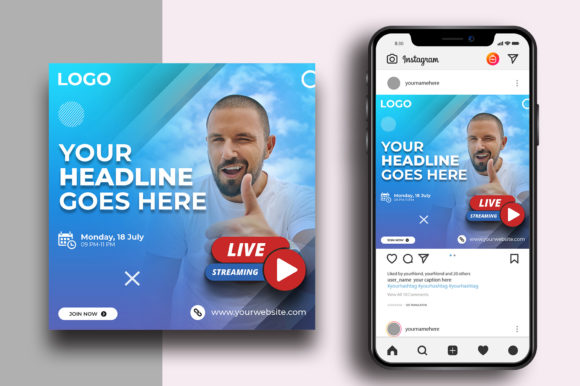
A template sized at 1080×1080 pixels hits the sweet spot for most platforms. It works beautifully on Instagram feeds, Facebook posts, LinkedIn updates, and even Pinterest when cropped thoughtfully. This square format gives you enough room to include your message, imagery, and branding elements without feeling cramped.
Building Your Brand Identity Through Social Media Graphics
Your brand identity lives in the details. The fonts you choose, the way you arrange text against backgrounds, the spacing between elements—all of these tiny decisions add up to create an impression. When someone sees your post in their feed, they should immediately know it's yours, even before reading the caption.
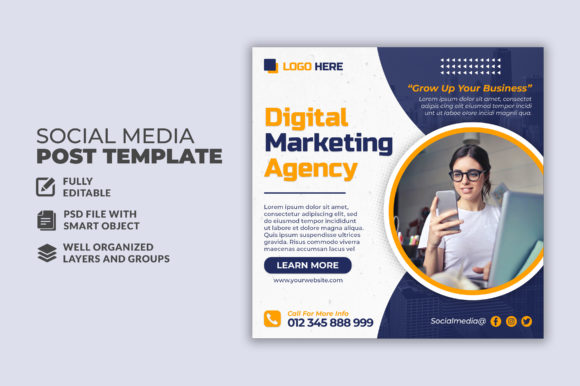
Here's where practical design assets make a real difference. A Photoshop layered PSD file gives you complete control over every element. Want to change the font to match your brand guidelines? Easy. Need to swap out a color to align with a seasonal campaign? Done in seconds. Want to reposition text to accommodate a longer headline? The layered structure makes it simple.
The beauty of working with a 100% layered and fully editable template is that it adapts to your needs rather than forcing you to adapt to it. Whether you're promoting a product launch, sharing a customer testimonial, announcing a sale, or posting an inspirational quote, the same template can serve dozens of different purposes. You're not locked into one rigid design—you're working with a flexible framework.
Practical Applications Across Your Marketing Channels
The versatility of a well-designed social media template extends far beyond your Instagram feed. Think about all the places where consistent visual branding matters:
- Social media graphics for daily posts, stories, and promotional content
- Blog post featured images that maintain visual continuity with your social presence
- Email marketing headers that reinforce brand recognition
- Digital product covers for eBooks, guides, and online courses
- Event invitations and announcements shared across platforms
- Website banners and promotional graphics
- Print materials like flyers, posters, and business cards
- Packaging design elements for product-based businesses
- Merchandise graphics for branded products
- Editorial layouts for digital magazines and newsletters
When your social media posts, website graphics, and print materials all share the same visual DNA, your brand feels polished and trustworthy. People notice when things look put together, even if they can't articulate exactly why.
Customizing Templates for Maximum Impact
One of the biggest advantages of working with a template that features easy customization and editable text layers is the speed it brings to your content creation process. Instead of spending 45 minutes designing a single post, you can produce a polished graphic in under 10 minutes. Multiply that time savings across a week or month of content, and you're looking at hours reclaimed for other important work.
When customizing your templates, keep a few practical principles in mind:
- Maintain your brand colors consistently. Pick two to three primary colors and stick with them across all posts. This creates the visual consistency that builds recognition over time.
- Choose fonts that reflect your personality. A playful handwritten style works for lifestyle brands, while clean sans-serif fonts suit professional services. The key is matching your typography to the impression you want to make.
- Don't overcrowd the design. White space isn't wasted space—it's breathing room that makes your message easier to read and more visually appealing.
- Test your designs at different sizes. What looks great on a desktop screen might be hard to read on a phone. Always preview on mobile before publishing.
Using a free font that's included with your template eliminates one more decision from the process. You don't need to worry about purchasing licenses or finding alternatives. The font is ready to use, which means you can focus your creative energy on the message and visual composition instead of hunting for the right typeface.
Typography Choices That Strengthen Your Message
Typography does more than display words—it sets the emotional tone of your entire design. A bold, modern typeface communicates confidence and energy. A refined serif font suggests tradition and authority. A flowing script style adds warmth and personality. Understanding these associations helps you make smarter design choices.
When working with your social media templates, experiment with different font pairings. Try combining a strong headline font with a simpler body text font. This contrast creates visual hierarchy, guiding the viewer's eye to the most important information first. Most professional designs use no more than two or three typefaces to keep things clean and readable.
Readability deserves special attention, especially on social media where people make split-second decisions about whether to engage. If your text is too small, too ornate, or too crowded, people will scroll past without a second glance. Make sure your headlines are bold enough to catch attention and your supporting text is clear enough to read quickly.
Turning Templates Into a Content System
The most successful content creators and marketers don't just make individual posts—they build systems. A collection of well-designed templates becomes your content system, allowing you to produce consistent, professional-looking graphics at scale. This is especially valuable for small businesses and solo entrepreneurs who need to maintain an active social presence without dedicating their entire day to design work.
Start by identifying the types of posts you create most often. Maybe it's promotional graphics, quote cards, announcement posts, and behind-the-scenes content. Create a variation of your template for each category, saving them as separate files. Now, whenever you need to create new content, you simply open the right template, update the text and images, and you're ready to publish.
This systematic approach also helps maintain visual consistency when multiple people contribute to your social media. Whether it's a team member, a virtual assistant, or a freelancer helping with content, everyone works from the same template library. The result is a cohesive feed that looks professionally managed, regardless of who's actually creating the posts.
Remember that your social media presence is often the first interaction someone has with your brand. That first impression shapes whether they follow you, visit your website, or move on to something else. Investing in quality design assets isn't about vanity—it's about communicating professionalism, building trust, and creating the kind of visual experience that turns casual viewers into loyal customers. With the right template as your starting point, you have everything you need to make that happen consistently, efficiently, and beautifully.